Key Takeaways
- Inspect your driveway after major storms and at regular intervals for cracks, puddles, or crumbling edges.
- Keep drains and nearby landscape areas clear so water does not remain on or beneath the pavement.
- Repair small cracks and localized damage before moisture can worsen the problem.
- Consider sealcoating when the surface condition and age make it appropriate; it will not repair a failed base.
- Request an on-site assessment for sinking, widespread alligator cracking, or repeated potholes.
Florida sunshine, heavy rain, humidity, and everyday vehicle traffic can wear down a residential asphalt driveway. With regular inspections, good drainage, timely crack repairs, and appropriate surface protection, Plantation homeowners can reduce avoidable damage and keep their pavement looking cared for. This guide explains what to watch for and when to call a paving professional.
Why Does Asphalt Maintenance Matter in Plantation?
Plantation homeowners experience prolonged heat, strong sunlight, and frequent seasonal downpours. Ultraviolet exposure can gradually oxidize asphalt binder, while rainwater entering open cracks can weaken supporting layers. Heavy vehicles and standing water may add stress, especially at driveway edges and low spots. Preventive maintenance is generally easier to plan than extensive repairs after pavement deterioration has spread.
How Often Should You Inspect Your Asphalt Driveway?
Walk the driveway every few months and after significant rainstorms. Look for new cracks, fading, surface raveling (loose stones), potholes, soft edges, depressions, and water that remains after surrounding areas have drained. Photograph problem areas so you can see whether they are expanding over time.
What should you check after heavy rainfall?
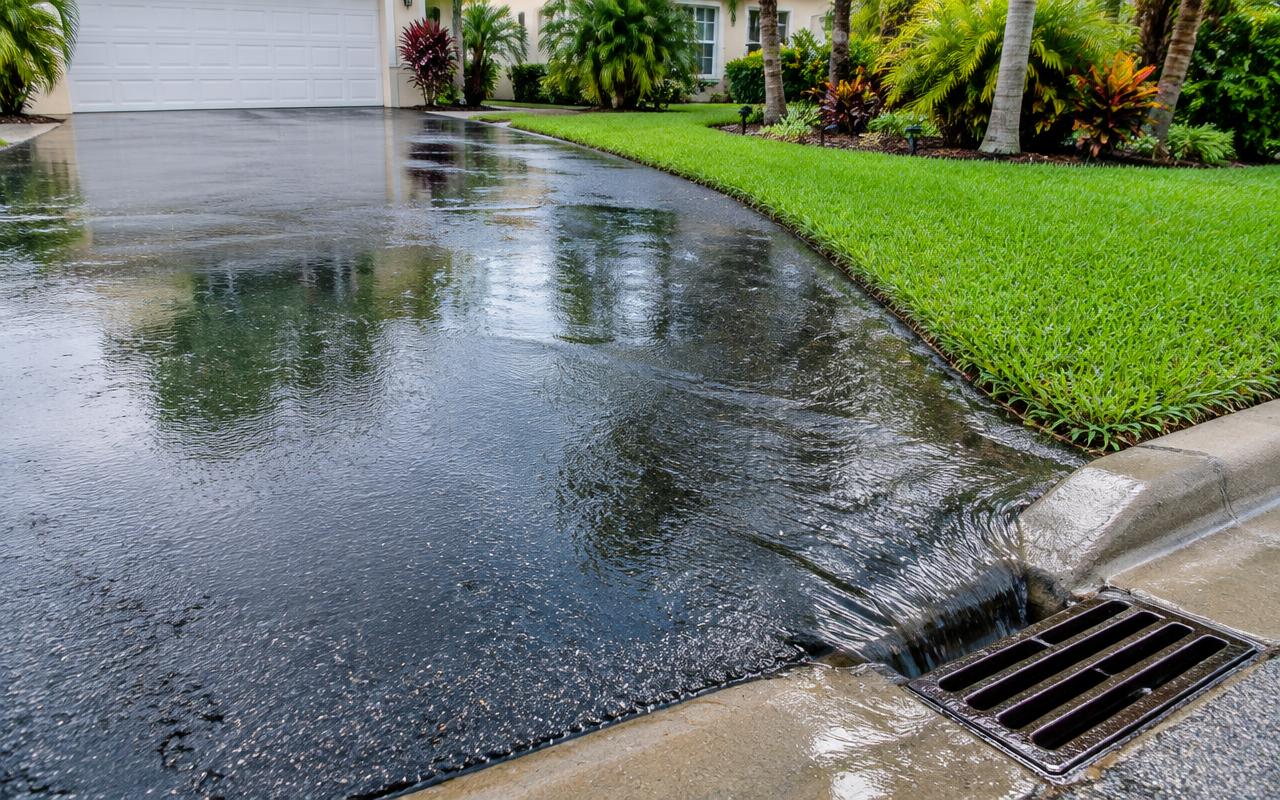
Look for persistent puddles, runoff moving toward a garage or foundation, and erosion alongside the driveway. Remove leaves and sediment from nearby drainage paths where safe to do so. Repeated standing water can signal a grading or base problem that requires professional evaluation.
What Is the Best Way to Clean an Asphalt Driveway?
Sweep away leaves, sand, and loose debris regularly. Clean oil or other automotive drips promptly using a cleaner intended for asphalt and follow the product instructions. Avoid harsh solvents that can soften or damage the pavement. When washing, use moderate water pressure rather than directing a concentrated high-pressure stream into cracks or joints.
Can landscaping affect asphalt?
Yes. Tree roots can lift pavement, while overgrown vegetation and soil buildup at the edges can trap moisture. Keep landscaping maintained and avoid cutting roots near a driveway without professional advice, since tree stability and underground utilities may be affected.
When Should Driveway Cracks Be Repaired?
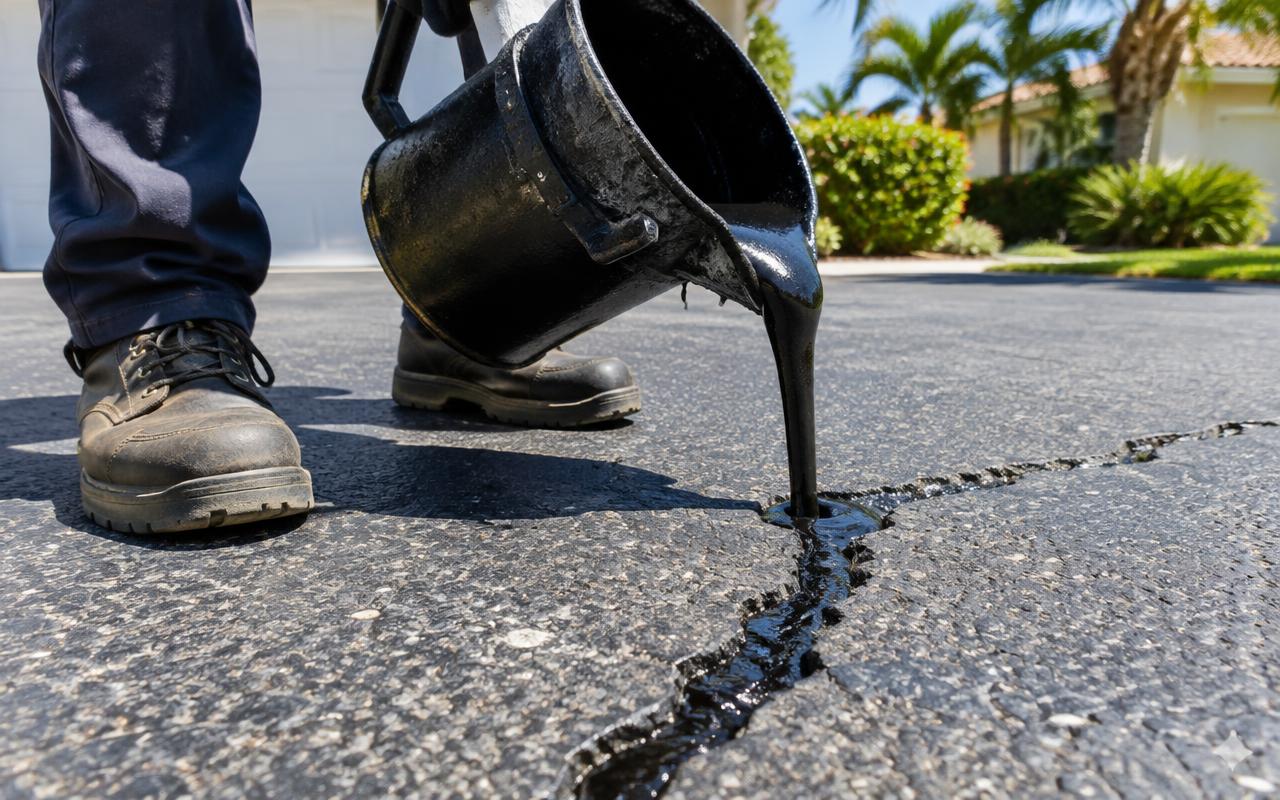
Address cracks as soon as practical, particularly before the rainy season. The appropriate repair depends on crack width, movement, and whether the adjacent asphalt is sound. A suitable asphalt crack-filling or sealing material may help prevent water intrusion in minor, stable cracks. Widespread interconnected cracking or recurring cracks may indicate structural issues that surface filler cannot solve.
Are potholes a do-it-yourself repair?
Small, isolated potholes can sometimes be patched, but a durable result requires removing unsound material and properly preparing and compacting the repair area. If potholes recur or the surface feels soft, have the underlying base examined instead of repeatedly covering the hole.
Does Sealcoating Help Protect Asphalt in South Florida?
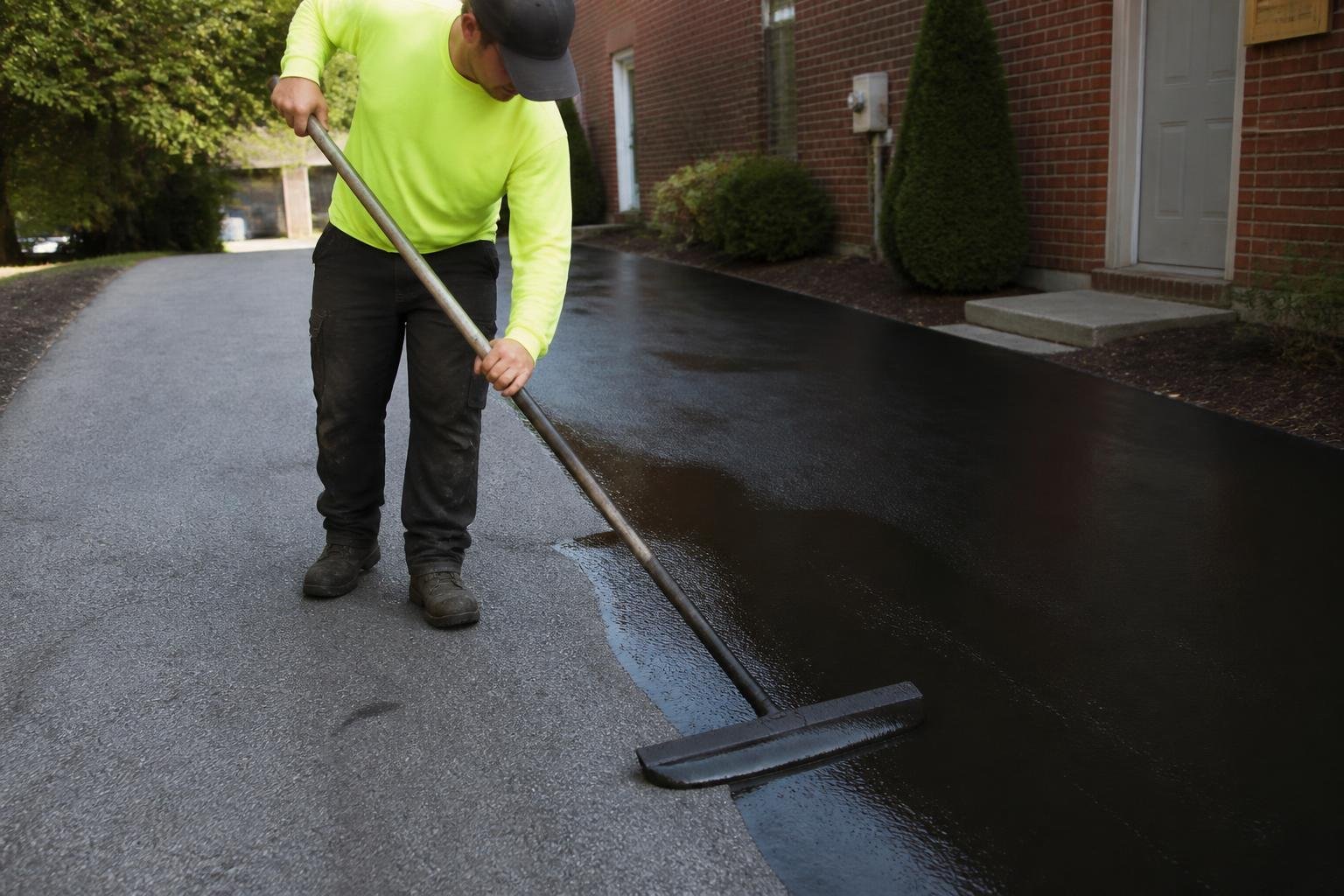
Sealcoating can provide a protective wear layer and refresh the dark appearance of suitable asphalt surfaces. It is not a substitute for repairing cracks, correcting drainage, or rebuilding unstable pavement. The right timing varies with pavement condition, prior treatments, traffic, and manufacturer guidance; newly installed asphalt should be allowed to cure adequately before any coating is considered.
What should happen before sealcoating?
The surface should be cleaned, allowed to dry, and checked for cracks, oil contamination, and damaged patches. Weather and cure-time requirements matter, especially during periods of frequent rain. A contractor should explain the recommended preparation and when vehicles can safely return to the driveway.
How Can Homeowners Prevent Drainage Damage?
Clear debris from drains and nearby gutters, maintain a positive slope away from structures where possible, and observe where water flows during heavy rain. Do not try to fix a persistent low spot by simply adding a thin layer of asphalt. Proper grading or base repair may be necessary to keep water from settling beneath the driveway.
What Daily Habits Extend Driveway Life?
- Avoid parking unusually heavy equipment in one location for prolonged periods without assessing pavement capacity.
- Do not leave vehicle jacks or narrow metal stands directly on warm asphalt without suitable load-spreading protection.
- Keep the edges supported; avoid repeatedly driving off unreinforced driveway shoulders.
- Clean spills promptly and avoid storing materials that can stain or chemically damage the surface.
- Arrange an assessment when damage begins spreading instead of relying on repeated temporary patches.
When Is Resurfacing or Replacement Necessary?
Surface maintenance is most effective when the driveway foundation remains stable. Resurfacing may be appropriate for more widespread surface wear if the base is in good condition. Full or localized replacement may be needed when pavement is sinking, the base has failed, or deep cracking continues after earlier repairs. An on-site inspection is the best way to distinguish a cosmetic surface issue from a structural one.
Final Thoughts
Consistent asphalt care in Plantation, FL starts with observation: remove debris, watch water flow, repair emerging damage, and investigate recurring trouble spots. For homeowners considering more substantial work, South Florida Paving Inc. offers asphalt installation, replacement, and resurfacing. Ask for an on-site evaluation so the recommended scope matches the actual condition of your driveway.
Frequently Asked Questions
How often should I sealcoat my driveway?
There is no universal schedule. Have the pavement assessed based on its age, wear, prior coating, and local exposure rather than applying a coating automatically each year.
Why is my asphalt turning gray?
Asphalt commonly becomes lighter as the binder weathers and oxidizes. Fading alone does not necessarily mean the driveway needs replacement.
Can rain damage freshly repaired asphalt?
Rain can interfere with certain sealants, coatings, and repair materials before they cure. Follow the specific product or contractor instructions and check the weather forecast.
Will sealing cracks stop every pothole?
No. Crack treatment can limit water entry, but it cannot correct a weak foundation, poor drainage, or extensive structural failure.
Should I resurface or replace my driveway?
That depends on the condition of the base, drainage, and extent of pavement damage. An in-person evaluation can identify which approach is appropriate.